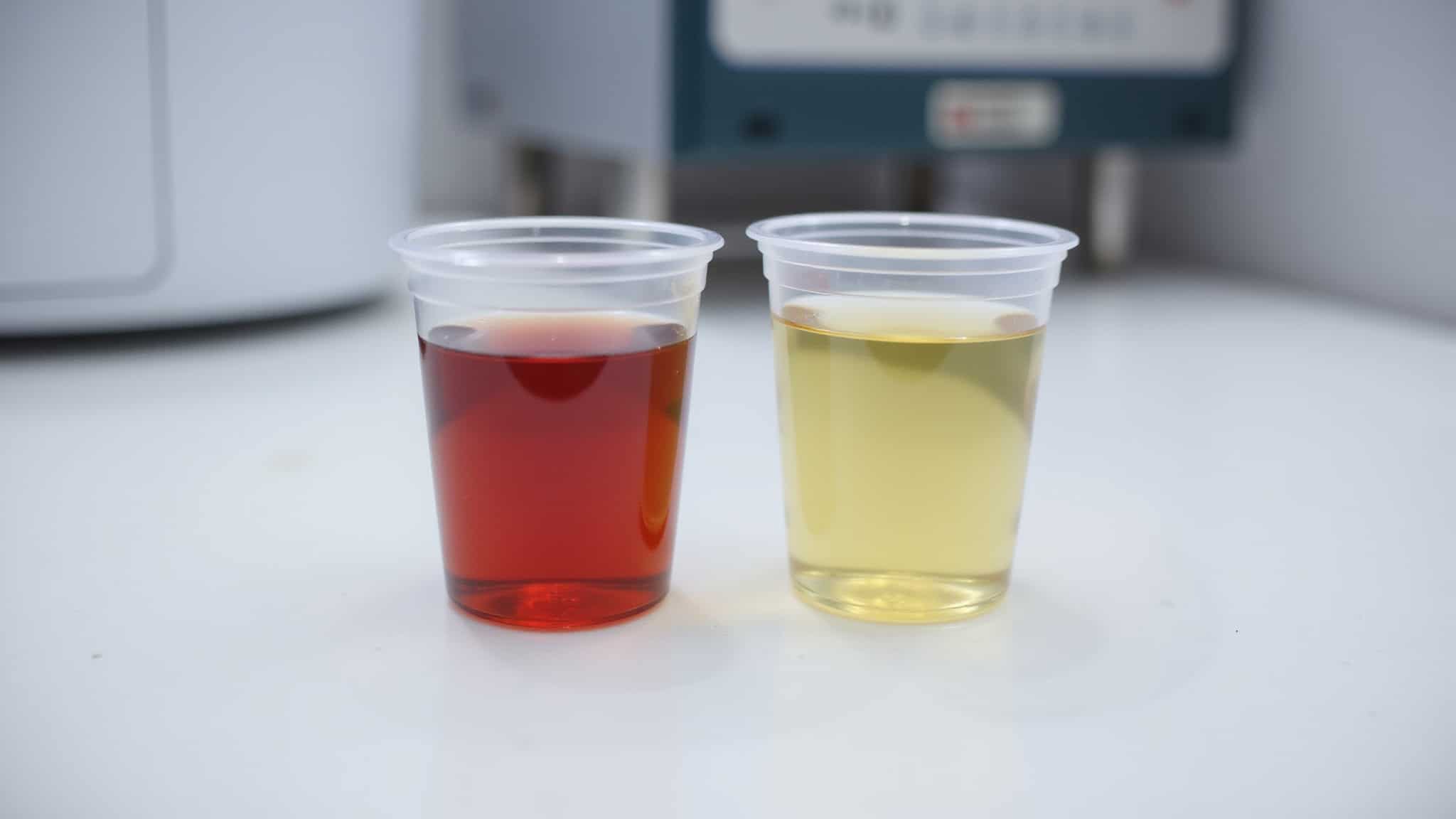






Kidney disease often starts silently, so you’ll rarely feel early warning signs. Watch your urine instead. Persistent foam can signal albumin leakage, visible blood isn’t normal, and urinating more or less often may be an early clue. Fatigue, itchy skin, nausea, and swelling usually appear only after significant function loss. If you have diabetes, high blood pressure, or a family history, don’t wait for symptoms. Two simple tests can confirm what’s happening, and knowing their numbers changes everything.
Key Takeaways
- Persistent foamy or bubbly urine may signal albumin leakage, an early sign of kidney damage.
- Blood in urine or urinating noticeably more or less often than usual warrants prompt medical evaluation.
- Early chronic kidney disease often causes no symptoms, so damage can progress unnoticed until function declines substantially.
- People with diabetes, high blood pressure, heart disease, obesity, or a family history should get regular kidney screening.
- Screening uses eGFR blood tests and uACR urine tests, and diagnosis requires abnormal results persisting beyond three months.
What are the early warning signs of kidney disease

Early chronic kidney disease (CKD) usually doesn’t cause noticeable symptoms, and you may not feel anything until kidney function has declined substantially. That’s why as many as 9 in 10 U.S. adults with CKD don’t know they have it.
You can watch for urinary clues: persistent foamy urine, which may signal albumin leakage; blood in your urine; or urinating more or less often than usual. As CKD progresses, you may notice fatigue, itchy or dry skin, reduced appetite, nausea, swelling in your legs, ankles, or feet, and muscle cramps.
None of these signs confirms or rules out CKD. If you have diabetes or high blood pressure, ask your clinician about eGFR and uACR testing.
Why the early stages usually produce no symptoms at all
Early CKD usually produces no symptoms because the disease progresses gradually, and early damage rarely disrupts daily function. Symptoms often don’t appear until kidney function is significantly reduced, so you may feel completely well as kidney filtering declines. That’s why an estimated 35.5 million U.S. adults have CKD, yet as many as 9 in 10 don’t know it.
Still, early CKD can leave measurable traces. Albumin may leak into your urine before you notice any change, and your eGFR may decline without causing discomfort. Symptoms alone can’t confirm or rule out CKD, so you’ll need a blood test for eGFR and a urine albumin-to-creatinine ratio. If you have diabetes, high blood pressure, or another risk factor, request testing even when you feel healthy. Early detection lets you begin management before symptoms appear.
Which changes in urination tend to come first

Foamy or bubbly urine, blood in your urine, and urinating more or less often than usual tend to come first, often showing up before other kidney symptoms appear. Persistent foam or bubbles can signal protein, including albumin, leaking through damaged filters. Blood in your urine isn’t normal and needs medical assessment.
Still, treat these changes as clues, not a diagnosis. Albumin can appear in your urine long before you see or feel anything, so a normal-looking sample doesn’t rule out kidney damage. A urine albumin-to-creatinine ratio (uACR) detects this leakage; a result above 30 mg/g may indicate damage. Pair it with an eGFR blood test for a fuller picture. If urine changes persist, arrange testing promptly rather than waiting for other symptoms.
Which whole-body symptoms appear as function declines
As kidney function declines, whole-body symptoms can include fatigue, itchy or dry skin, nausea and reduced appetite, swelling, and in advanced stages, cramps, poor concentration, sleep difficulty, and breathlessness. These symptoms often don’t appear until function is substantially reduced.
| Symptom | What you may notice |
|---|---|
| Fatigue | Ongoing tiredness as CKD advances |
| Skin changes | Itchy or dry skin |
| Appetite changes | Nausea, reduced appetite, unintentional weight loss |
| Swelling | Puffiness in legs, ankles, feet, or arms |
| Advanced effects | Cramps, poor concentration, sleep difficulty, breathlessness |
None of these symptoms is specific to kidney disease, so you can’t use them to confirm or rule out CKD. Report swelling, persistent fatigue, appetite changes, or unexplained weight loss to a healthcare professional. If you develop shortness of breath, vomiting, or marked swelling, seek prompt medical evaluation. Because symptoms appear late, testing remains your most reliable signal.
Who is at high enough risk of kidney disease to be screened anyway

People with diabetes or high blood pressure, the most common causes of kidney disease, should discuss regular CKD testing with a healthcare professional, even without symptoms. The same applies if you have heart disease, obesity, a family history of CKD, an inherited kidney disorder, or prior kidney damage. Age matters too. CDC survey estimates put CKD prevalence at 6.1% among adults 18 to 39 but 38.4% among those 70 and older.
Don’t wait for warning signs: up to 9 in 10 U.S. adults with CKD don’t know they have it. Screening uses two tests: a blood test estimating glomerular filtration rate (eGFR) and a urine albumin-to-creatinine ratio (uACR), which detects albumin leakage before you’d notice anything. Early detection lets you begin managing CKD sooner.
Which two simple tests detect it and what the numbers mean
Two simple tests detect chronic kidney disease (CKD): a blood test that measures creatinine to calculate your estimated glomerular filtration rate (eGFR), and a urine test called the albumin-to-creatinine ratio (uACR). The eGFR shows how well your kidneys filter. The uACR checks whether albumin is leaking into your urine, a marker of kidney damage. A uACR above 30 mg/g may signal damage, and lower values are generally better. Clinicians generally diagnose CKD when your eGFR stays below 60 mL/min/1.73 m², evidence of damage persists, or both, for more than 3 months. One abnormal result doesn’t confirm the disease, and one normal result doesn’t rule it out. You’ll need both tests, sometimes repeated, to see the full picture of your kidney health.
Who to see and how often to be rechecked
Start with your primary care clinician, who can order both the eGFR blood test and the uACR urine test. If you have diabetes, high blood pressure, heart disease, obesity, a family history of CKD, or you’re older, ask them how often you should be tested. You’ll benefit from regular testing even without symptoms.
If a result is abnormal, don’t assume you have CKD. The diagnosis requires a low eGFR (below 60) or signs of kidney damage persisting beyond 3 months, so you’ll need repeat testing to confirm it. Between visits, don’t wait for your next check if you notice persistent foamy urine, blood in your urine, new swelling, shortness of breath, or vomiting. Report these promptly.
Conclusion
Kidney disease is often quiet in its early stages, which is exactly why the subtle signs matter. Changes in how often you urinate, foam in the urine, puffy ankles, lasting fatigue, or rising blood pressure can all be early clues worth taking seriously. The encouraging part is that simple blood and urine tests can catch kidney problems long before they turn serious, and acting early makes a real difference. If any of these signs sound familiar, Doctors Finder can help you reach the right UAE specialist for a proper check.
Catch Kidney Problems Early With the Right Specialist
If the early signs sound familiar, a simple set of kidney function tests can give you clarity. Doctors Finder can connect you with nephrologists across the UAE who diagnose and manage kidney disease. Because diabetes and high blood pressure are leading causes, you can also browse diabetes specialists if that is part of your picture. Use Find a Doctor to search by specialty and location, or start from the Doctors Finder homepage.
Frequently Asked Questions
Can Early-Stage Chronic Kidney Disease Be Reversed or Only Slowed Down?
Treatment usually can’t fully reverse established CKD, but you can often slow it substantially, especially when you catch it early. Some kidney damage markers, such as urine albumin, may improve with therapy. Because early CKD rarely causes symptoms, you’ll need an eGFR blood test and a urine albumin-to-creatinine ratio to detect it. If you have diabetes or high blood pressure, ask your clinician about regular testing and early, targeted management.
Do Common Over-The-Counter Painkillers Increase the Risk of Kidney Damage?
Yes, some can. NSAIDs such as ibuprofen and naproxen reduce blood flow to your kidneys, and frequent or high-dose use raises your risk of kidney injury. The risk climbs if you’re older, dehydrated, or already have CKD, diabetes, high blood pressure, or heart disease. Acetaminophen’s generally gentler on kidneys at recommended doses. If you use painkillers regularly, ask your clinician about eGFR and urine albumin testing, since damage is often silent.
Does Drinking More Water Help Protect Kidneys From Chronic Disease?
Evidence doesn’t show that drinking extra water prevents chronic kidney disease, so you shouldn’t rely on it for protection. Staying adequately hydrated supports normal kidney function, but you’ll gain more by managing diabetes and high blood pressure, CKD’s common causes. Because early CKD often causes no symptoms, you’ll need testing: an eGFR blood test and a urine albumin-to-creatinine ratio. If you have risk factors, ask your clinician about regular screening.
Are At-Home Urine Test Strips Reliable for Detecting Kidney Problems?
At-home strips can’t reliably confirm or rule out kidney disease. You’ll need laboratory testing: a blood test estimating eGFR and a urine albumin-to-creatinine ratio (uACR), where values above 30 mg/g may indicate damage. Clinicians diagnose CKD when abnormalities persist beyond 3 months. If you notice persistent foamy urine or blood in your urine, or you have diabetes or high blood pressure, ask your clinician for testing promptly, even without symptoms.
Is Chronic Kidney Disease Related to Kidney Stones or Urinary Infections?
Yes, they can be linked. Repeated kidney stones or recurrent kidney infections can damage kidney tissue, and prior kidney damage raises your CKD risk. A single, promptly treated urinary infection usually won’t cause CKD. Because early CKD often produces no symptoms, you shouldn’t rely on how you feel. If you’ve had recurrent stones or infections, ask your clinician about both eGFR blood testing and a urine albumin-to-creatinine ratio (uACR) test.