






For most skin rashes, a dermatologist is your best first choice. They specialize in diagnosing and treating skin conditions, including persistent or severe rashes. If your rash is mild and short-lived, your primary care doctor can manage it; however, for chronic, painful, or spreading rashes, especially those accompanied by fever, blisters, or breathing difficulties, you’ll need a dermatologist’s expertise. Doctors Finder simplifies this search by letting you filter dermatologists and allergists in Dubai by qualifications, subspecialty, and insurance acceptance, plus you can book online consultations to discuss your symptoms before committing to in-person testing. Below, you’ll discover the specific signs that warrant specialized care and the diagnostic tests dermatologists use.
When Does a Rash Need a Doctor, Not Just Home Care?
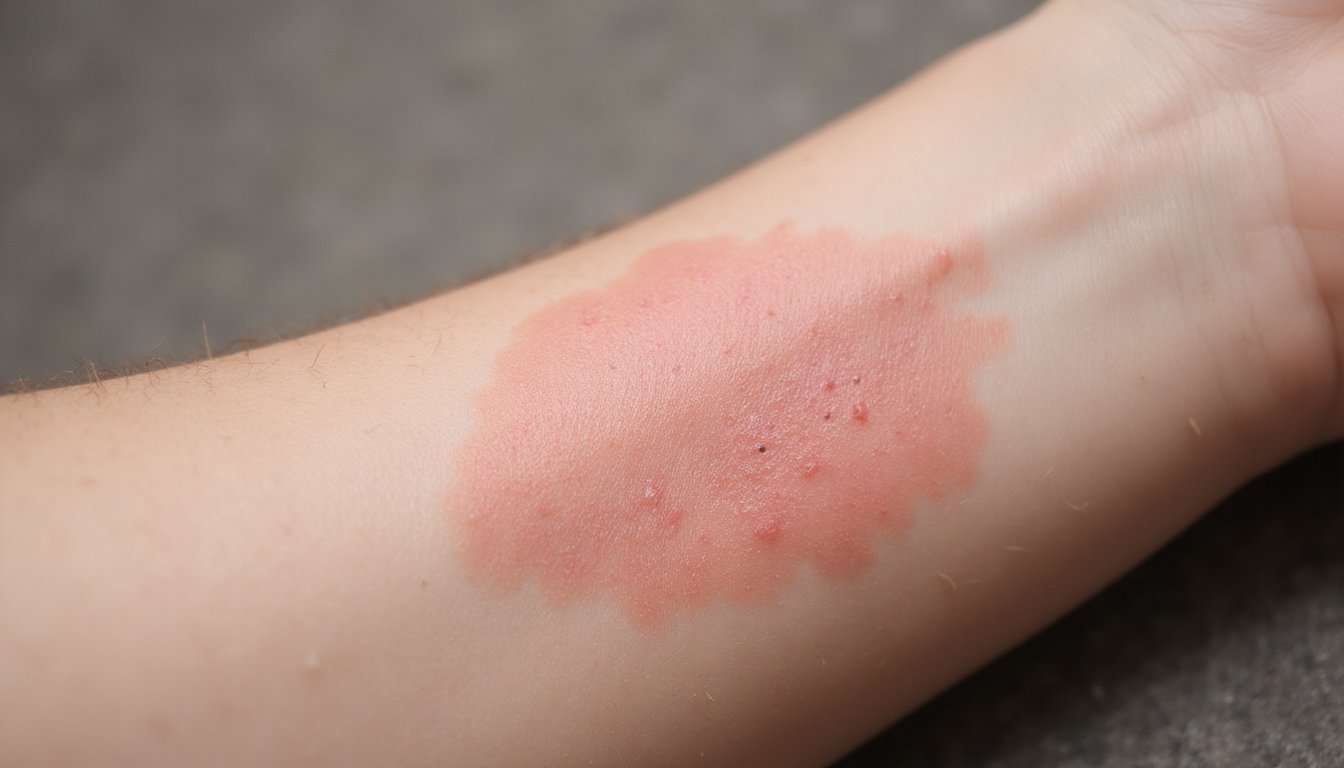
You’ll know when a rash crosses the line from minor irritation to medical concern by watching for specific warning signs. While most rashes respond to home care, certain symptoms demand professional evaluation.
Seek immediate medical attention if you experience:
- Anaphylaxis signs: difficulty breathing, swelling of face/tongue, dizziness
- Severe systemic symptoms: high fever, severe pain, intense fatigue
- Concerning skin changes: rapidly spreading rash, blistering, peeling, or signs of infection
- Vulnerable populations: rashes in infants, elderly, or immunocompromised individuals
A skin allergy specialist can identify underlying causes when over-the-counter treatments fail after a week. They’ll evaluate persistent rashes, especially those accompanied by changes in shape, color, or texture. Rashes appearing alongside oral or genital symptoms also warrant professional assessment.
Rash Symptoms That Need Professional Help
When you’ve got a rash that’s growing rapidly, blistering, or accompanied by fever, you should seek immediate professional care rather than waiting it out at home. You’ll also need a doctor’s evaluation if your rash hasn’t improved after a week of home treatment, especially when symptoms include painful joints, swelling, or changes in skin color. Persistent or severe symptoms often signal underlying conditions that require specific diagnosis and targeted treatment to prevent complications.
Signs Needing Immediate Attention
While many rashes resolve on their own with basic home care, certain symptoms signal that you’ll need professional medical attention right away. If you’re wondering what doctor to see for skin rash, watch for these critical warning signs that require urgent evaluation:
- Rapid spread: rashes covering large body areas or spreading quickly across your skin
- Systemic symptoms: fever, severe pain, breathing difficulty, or swelling of the face, lips, or tongue
- Severe presentations: blisters, open sores, peeling skin, or signs of infection like pus or significant swelling
- Vulnerable populations: rashes in newborns, elderly individuals, or those with compromised immune systems
Don’t delay seeking care if your rash includes purple or red spots that don’t fade with pressure, intense itching with severe discomfort, or appears alongside joint pain.
When Home Treatment Fails
If your rash persists despite two to three days of consistent home treatment, you’re likely dealing with a condition requiring professional evaluation. Several warning signs indicate when home remedies aren’t enough. You’ll want to see a doctor for rashes lasting beyond a week, especially when accompanied by severe itching, pain, or discomfort.
Watch for these specific symptoms:
- Rapidly spreading rashes covering large body areas
- Signs of infection like swelling, oozing pus, increased redness, or warmth
- Persistent fever, fatigue, or joint pain
- Blistering, painful, or hot-to-touch areas
- Bruise-like patterns or marks that don’t blanch when pressed
You should also seek immediate care if you’ve recently used new medications, traveled internationally, or had insect exposure.
Rashes You Should Never Treat at Home

Although many rashes resolve with basic care, certain types require immediate medical evaluation rather than home treatment. You shouldn’t attempt to manage rashes on your own when they show specific warning signs, as delayed professional care can lead to serious complications.
Avoid home treatment if you’re experiencing:
- Severe presentations: rapidly spreading rashes covering large body areas, painful blistering or sores, or skin peeling and ulceration
- Systemic symptoms: high fever exceeding 100.4°F, breathing difficulties, dizziness, or swelling of face, tongue, or throat
- Specific conditions: shingles’ painful blisters, severe eczema flare-ups, contact dermatitis with infection signs, or unexplained widespread rashes
- Vulnerable populations: rashes in newborns, elderly adults, or immunocompromised individuals
Don’t delay seeking a contact dermatitis doctor when home remedies fail after a week. Professional evaluation guarantees accurate diagnosis and appropriate treatment for your specific condition.
Dermatologist or Allergist for Your Rash?
When you’re dealing with a persistent or severe rash, choosing between a dermatologist and allergist depends on the underlying cause and your specific symptoms. Each specialist offers distinct expertise:
| Aspect | Dermatologist | Allergist |
|---|---|---|
| Focus | Skin conditions | Allergic reactions |
| Best For | Eczema, psoriasis, persistent rashes | Recurring rashes with allergy triggers |
| Testing Methods | Visual exams, biopsies, patch testing | Skin prick tests, blood tests |
| Treatments | Topical creams, oral medications | Antihistamines, immunotherapy |
You’ll want a dermatologist for chronic skin issues or treatment-resistant rashes. An allergist makes sense when you suspect specific triggers like foods, medications, or environmental factors. For complex cases, both specialists may collaborate to provide thorough care addressing both skin manifestations and underlying allergic causes.
Why a Dermatologist Is Usually the Best First Choice
You’ll find dermatologists offer distinct advantages when facing skin rashes, beginning with their specialized diagnostic expertise in identifying both common conditions like eczema and rarer disorders that other physicians might miss. They’ve got access to advanced patch testing technology, including the European Baseline Series and specialized allergen panels, that lets them pinpoint specific triggers behind contact dermatitis cases. When you choose a dermatologist first, you’re also gaining access to targeted prescription treatments and consultation packages that streamline your path from initial visit to effective resolution.
Skin-Focused Diagnostic Expertise
Although various medical specialists can address skin issues, a dermatologist typically offers the most extensive expertise for identifying and treating skin rashes. As a rash diagnosis expert, dermatologists provide specialized care through:
- Advanced diagnostic techniques: Skin biopsies, KOH testing, Wood’s lamp examinations, and patch testing to identify exact rash causes
- Differential diagnosis skills: Distinguishing between eczema, psoriasis, contact dermatitis, hives, and infections that may present similarly
- Comprehensive evaluations: Reviewing medical history, lifestyle factors, recent products used, and environmental exposures
- Specialized treatment plans: Tailoring approaches for chronic conditions and managing flare-ups effectively
You’ll benefit from a dermatologist’s focused training when home remedies fail, when rashes persist beyond a week, or when you experience severe symptoms.
Advanced Patch Testing Capabilities
Through specialized patch testing capabilities, dermatologists distinguish themselves as the most effective first choice for diagnosing contact dermatitis and allergic skin reactions. This in-depth testing identifies specific allergens that trigger your skin’s reactions, providing precise diagnostic clarity that other medical specialties can’t match.
A dermatologist for allergic reactions uses extensive patch testing series, including standard, baseline, cosmetic, fragrance, hairdressing, dental, and metal panels. They’ll customize testing to your unique allergen exposures, including environmental sources, hobby-related products, and workplace chemicals. The systematic three-visit protocol guarantees accurate results, with thorough monitoring throughout 48 to 96 hours.
Targeted Prescription Treatment Options
When you’re dealing with persistent or severe rashes, dermatologists offer prescription-strength treatment options that considerably outperform over-the-counter alternatives. They’ll customize your treatment based on diagnosis, providing solutions you can’t access through general practitioners or self-treatment.
Dermatologists prescribe targeted medications including:
- High-potency corticosteroids: Triamcinolone, clobetasol, and hydrocortisone formulations for inflammation control
- Specialized biologics: Dupilumab and IL-13/IL-17 inhibitors for severe eczema and psoriasis
- Targeted topical therapies: Calcineurin inhibitors and PDE4 inhibitors like crisaborole for sensitive areas
- Advanced procedural treatments: Phototherapy, laser therapy, and pulsed dye lasers for resistant conditions
If you’ve been searching for a rash treatment doctor, a dermatologist’s prescription authority gives you access to powerful therapeutic options. You’ll receive precise diagnosis through skin biopsies and laboratory testing, ensuring the right medication for your specific condition.
What Happens During a Dermatologist’s Skin Rash Evaluation
When you visit a dermatologist for a skin rash, your evaluation begins with a thorough medical history review. The dermatologist will ask about:
- Current medications
- Recent illnesses or allergies
- Family medical history
- Lifestyle factors including diet, stress, and personal care products
- Pet exposure and travel history
Next comes the visual examination. Your dermatologist will assess your rash’s color, shape, texture, and distribution patterns. They’ll examine your entire body, paying attention to symmetry and location-specific characteristics that aid diagnosis.
Depending on initial findings, you’ll likely undergo diagnostic tests. These might include skin biopsies, scrapings, swabs, or patch tests to identify allergens. Blood tests, KOH preparations, or Wood’s lamp examinations help confirm the exact cause. This systematic approach guarantees accurate diagnosis and targeted treatment for your specific condition.
How Patch Testing Pinpoints Rash Triggers
Among the diagnostic tools dermatologists use, patch testing stands out as the gold standard for identifying contact allergens behind persistent rashes. This procedure pinpoints specific triggers in eczema rash treatment and allergic contact dermatitis cases by exposing your skin to controlled allergen amounts on adhesive patches.
You’ll experience patch testing through these key stages:
- Initial Application: Patches containing standardized allergens are placed on your upper back during your first visit
- 48-Hour Period: You’ll wear patches without disturbance, avoiding water exposure to maintain test integrity
- First Reading: Your dermatologist removes patches and evaluates skin reactions for redness, swelling, or blisters
- Final Assessment: A follow-up reading 72 to 96 hours later confirms results and identifies delayed reactions
Common allergens tested include nickel, fragrances, preservatives, and rubber accelerators, providing targeted treatment direction.
Treatments Only a Dermatologist Can Prescribe

Once your dermatologist identifies the specific triggers behind your rash, they’ll prescribe targeted treatments that aren’t available over the counter. These specialized therapies address the underlying causes of your condition rather than just masking symptoms.
A psoriasis specialist or eczema rash treatment expert can prescribe several powerful interventions:
- Prescription topical corticosteroids: Higher-potency formulations like clobetasol propionate for severe inflammation
- Biologic medications: Targeted therapies like adalimumab and ustekinumab for psoriasis or dupilumab for eczema
- Calcineurin inhibitors: Tacrolimus and pimecrolimus for sensitive areas where steroids aren’t ideal
- Phototherapy treatments: Controlled UV light therapy administered in clinical settings
Your dermatologist also offers advanced injection therapies, including botulinum toxin and platelet-rich plasma for specific skin conditions, ensuring you receive precisely targeted care for your skin concerns.
What to Expect After Your Rash Diagnosis
After your dermatologist diagnoses your rash, you’ll receive a tailored treatment plan designed to address your specific condition’s underlying causes and symptoms. Your skin allergy specialist will outline several treatment phases:
- Initial relief: Topical corticosteroids, prescription antihistamines, or systemic medications to manage immediate symptoms
- Targeted therapy: Calcineurin inhibitors for sensitive areas, antifungals for ringworm, or biologics for severe inflammation
- Lifestyle modifications: Specific skincare routines, dietary recommendations, and trigger avoidance strategies
- Follow-up monitoring: Regular appointments to track progress, adjust medications, and assess treatment effectiveness
You’ll likely undergo additional testing if your rash persists or worsens. Diagnostic tools like skin biopsies, allergy patch tests, or blood work help confirm diagnoses. Your specialist coordinates with other healthcare providers when extensive care’s needed, ensuring you receive thorough treatment for stubborn or complex conditions.
How to Prevent Future Rashes and Allergic Flare-Ups
While effective treatment manages active rashes, preventing future flare-ups requires consistent daily habits that protect your skin’s barrier function. By implementing strategic preventive measures, you’ll reduce flare-up frequency and maintain healthier skin between dermatologist visits.
Identify and Avoid Triggers
Keep a detailed symptom diary to track potential allergens, foods, and environmental factors causing your reactions. Consider undergoing skin patch testing with your dermatologist to identify specific irritants. Common triggers include cosmetics, household chemicals, fragrances, and certain metals like nickel.
Follow Protective Skincare Routines
Apply fragrance-free, hypoallergenic moisturizers daily to strengthen your skin barrier. Use lukewarm water, gentle cleansers, and limit shower time to 10 minutes. Pat skin dry without rubbing.
Adopt Dietary Changes
Incorporate omega-3 fatty acids, antioxidant-rich foods, and probiotics. Avoid processed foods, dairy, and known food allergens.
Manage Environmental Factors
Maintain comfortable humidity levels, wear breathable fabrics, and use sunscreen daily.
Finding the Right Doctor Has Never Been This Simple
When it comes to your health, settling for anything less than the best is not an option. Doctors Finder makes it easy to connect with the best doctors in the UAE, with verified specialists across Dubai, Abu Dhabi, Sharjah, Fujairah, and beyond. Whether you need a cardiologist, neurologist, pediatrician, or any other specialist, our platform gives you clear, trusted information so you can make confident care decisions. Find a specialist today and take the first step toward the right care.
Frequently Asked Questions
Can a Pharmacist Help Diagnose and Treat Mild Skin Rashes?
Yes, pharmacists can help diagnose and treat mild skin rashes effectively. They’ll assess common conditions like eczema, contact dermatitis, and minor allergic reactions through visual examination and patient history. You’ll receive recommendations for over-the-counter treatments including hydrocortisone, antihistamines, and emollients. However, pharmacists can’t perform diagnostic tests or prescribe stronger medications. If your rash persists, worsens, or shows concerning symptoms, you’ll need to consult a doctor or dermatologist.
Does Insurance Cover Dermatologist Visits for Skin Rashes in the UAE?
Most UAE insurance plans cover dermatologist visits for medically necessary skin rashes, though coverage varies by provider and plan. You’ll typically have access to specialist consultations, prescribed treatments, and diagnostic procedures for conditions like eczema, psoriasis, and contact dermatitis. However, you should check your specific policy details, as some plans require GP referrals or limit coverage for chronic conditions.
How Much Does a Typical Dermatologist Consultation Cost Without Insurance?
You’ll typically pay between USD 150 and USD 300 for a dermatologist consultation without insurance, with the national average around USD 221. Costs vary considerably by location, urban areas charge more than rural ones, and complexity of your visit. Initial consultations cost more than follow-ups, ranging from USD 60 to USD 250. New patient cosmetic visits can reach USD 400. Your provider’s experience and consultation length also affect pricing.
Are Online Dermatology Consultations Effective for Diagnosing Skin Rashes?
Yes, online dermatology consultations are remarkably effective for diagnosing skin rashes. You’ll receive diagnostic accuracy comparable to in-person visits, often above 80%, when you submit clear, high-quality images. They’re best for common conditions like eczema, psoriasis, acne, and contact dermatitis. You’ll save time, access specialists conveniently, and receive prompt treatment plans. However, complex cases requiring physical examination or biopsies still need traditional appointments for complete evaluation.
Should Children See a Pediatric Dermatologist Instead of a General One?
You should consider a pediatric dermatologist for children, especially for complex skin conditions or when communication with younger children is essential. While general dermatologists treat all ages, pediatric specialists offer specialized training in childhood-specific conditions like infantile eczema and birthmarks. They’re better equipped for diagnosing rare pediatric disorders and creating child-friendly treatment plans. However, general dermatologists can effectively manage common rashes, particularly when pediatric specialists aren’t accessible in your area.