






Yes, you can often walk long distances after knee replacement, but it isn’t guaranteed. Your endurance usually improves over months as pain decreases, strength returns, balance improves, and your gait normalizes. Many people walk independently by 6 to 12 weeks, with gains continuing for 6 to 12 months. Your limits may depend on age, fitness, heart or lung disease, spine or hip problems, and rehab consistency. Next, you’ll see how to progress safely.
Key Takeaways
- Many people can walk long distances after knee replacement, but endurance improves gradually over months.
- Independent walking commonly returns within 6 to 12 weeks, with gains continuing for 6 to 12 months.
- Walking distance depends on fitness, age, pain control, strength, balance, rehabilitation, and other medical conditions.
- Increase distance slowly and watch for swelling, worsening pain, or fatigue as signs to reduce activity.
- Long-distance walking is realistic for many, but heart, lung, spine, hip, or conditioning issues may limit results.
Can you walk long distances again after a knee replacement?
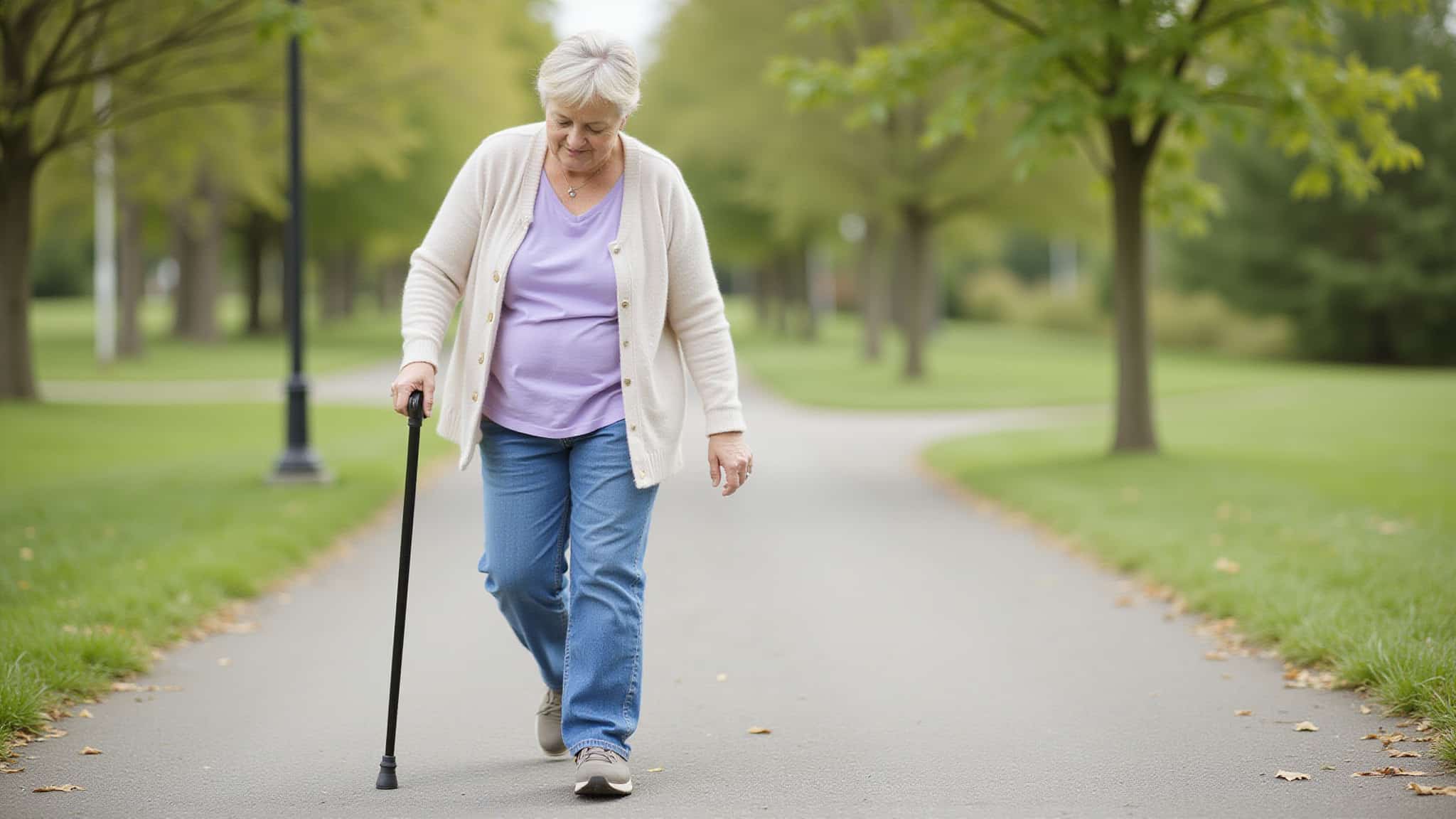
Yes, you can often walk long distances after a knee replacement, but your endurance usually returns gradually over months, not days. Your walking distance depends on preoperative fitness, age, pain control, muscle strength, balance, and other medical conditions. Many people walk independently within 6 to 12 weeks, then continue improving for 6 to 12 months.
Long-distance walking is realistic for many patients, but it isn’t guaranteed. Research shows knee function often improves after replacement, while maximum walking distance may still be limited by heart, lung, spine, hip, or general conditioning issues. Structured rehabilitation, progressive strengthening, and consistent walking practice improve your odds of longer distances. You’ll usually do best when you increase distance slowly, monitor swelling, and follow your surgeon’s and physical therapist’s guidance closely.
Why walking matters so much to your recovery
Walking matters so much to your recovery because it retrains your joint, muscles, balance system, and cardiovascular system to work together after surgery. Each step loads the implant in a controlled, functional way, helping you restore gait mechanics, reduce stiffness, and improve confidence with daily movement.
Walking also gives your rehabilitation team measurable feedback. Your speed, limp, pain response, swelling, and need for a cane show whether your program is progressing safely. Consistent walking supports circulation, lowers clot risk, and helps preserve muscle strength, but overdoing it can worsen inflammation. That’s why you build distance gradually, not aggressively. Better endurance usually comes from repeated, low-impact practice combined with strengthening. Walking anchors your recovery timeline because it reflects real-world function, not just range-of-motion numbers or clinic exercises alone.
How walking ability typically returns week by week
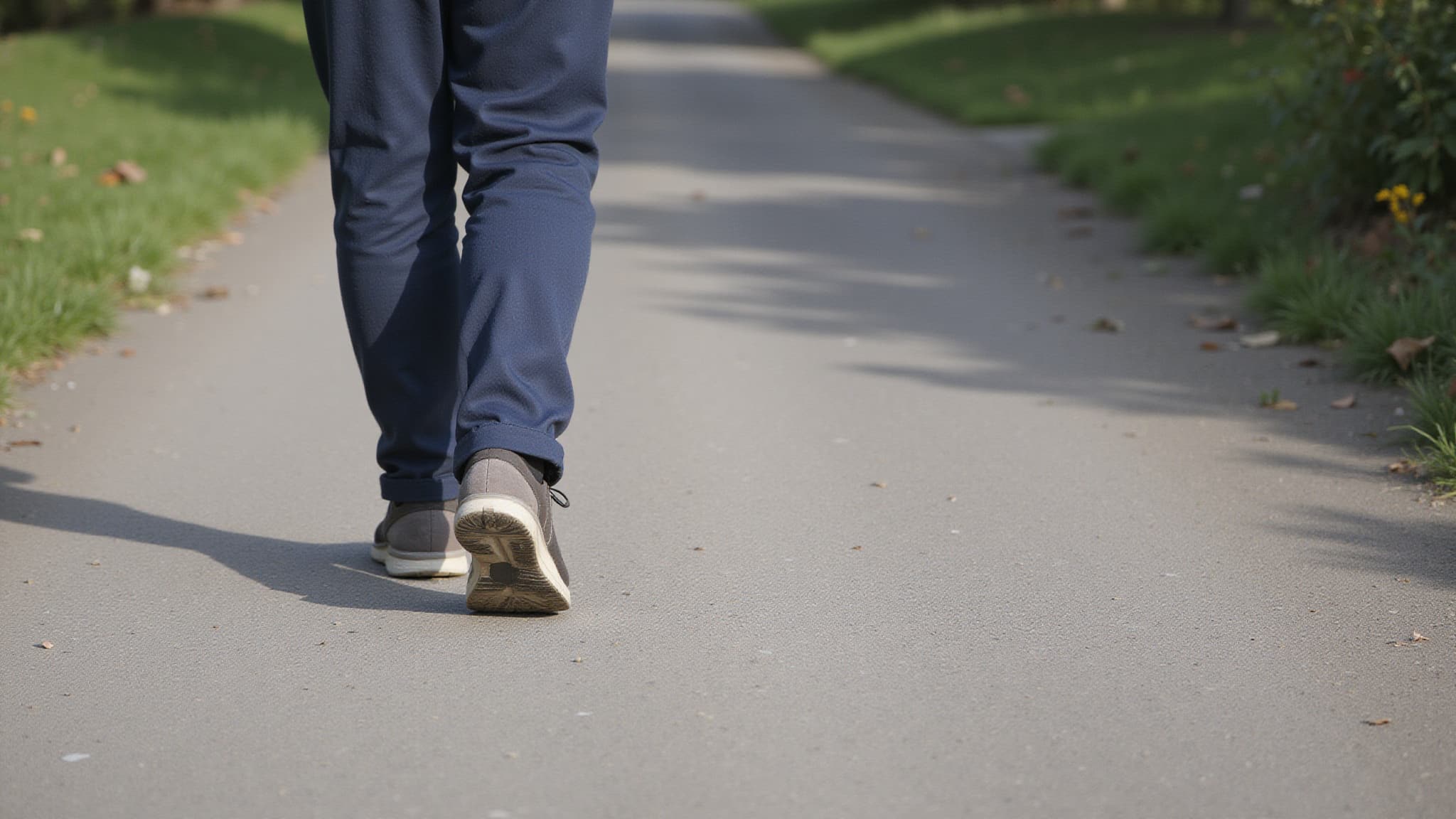
Walking ability after a repeat knee replacement usually returns in stages over weeks to months. In knee replacement recovery, you start with short, supervised walks, then build duration, distance, and confidence as swelling and pain decrease.
| Stage | Typical walking ability |
|---|---|
| Days 1-7 | You walk brief indoor distances with a walker and therapist supervision. |
| Weeks 2-4 | You increase household walking and may transition toward a cane. |
| Weeks 4-6 | You may walk 10 minutes or more, often with less support. |
| Weeks 8-12 | You may walk several blocks; some reach about 1 kilometer. |
Use this walking distance timeline as a guide, not a rule. Your rehabilitation milestones should progress gradually and safely.
Which factors decide how far you will comfortably walk
How far you will comfortably walk depends on your pre-surgery fitness, knee strength and motion, balance, rehabilitation quality, and overall health. Your pre-surgery walking distance is one of the strongest predictors: if you entered surgery deconditioned, you’ll usually rebuild endurance more slowly. Your muscle strength, balance, knee range of motion, and confidence with gait also affect how efficiently you move.
Your rehabilitation quality matters. Structured physical therapy, progressive walking practice, and adherence to strengthening exercises can improve distance and stair function. Your broader health often matters as much as the knee itself. Comorbidities such as heart disease, lung disease, diabetes, obesity, neuropathy, or arthritis in other joints can limit endurance even when the implant works well. Age, nutrition, sleep, and motivation also shape your recovery ceiling.
Which signs mean you have walked too far too soon

Signs you have walked too far too soon after knee replacement include increasing pain while walking, swelling that worsens later that day, warmth with marked stiffness, or reduced bend compared with the morning. Your walking distance may be too aggressive if you limp more, need stronger pain medicine, sleep poorly from throbbing, or can’t repeat the same activity the next day.
Mild soreness is expected, but pain should settle with rest, elevation, ice, and prescribed medication. If symptoms escalate instead of easing, cut back your distance, slow your pace, and contact your surgeon or physical therapist. Seek urgent advice for calf pain, chest pain, shortness of breath, fever, drainage, or sudden severe swelling. Don’t push through sharp pain.
What long-term limits a replaced knee really has
A replaced knee can provide durable pain relief and better function years later, but it is not a biologic, normal knee. The implant tolerates low-impact walking well, yet it can’t eliminate every source of limitation. Your gait may stay mildly asymmetric if strength, balance, stiffness, or prior habits persist after recovery.
Research shows many people report little or no walking limitation at one year, but maximal distance doesn’t improve equally for everyone. Often, the knee isn’t the main limiter. Cardiovascular disease, lung disease, neuropathy, obesity, back pain, hip arthritis, and other comorbidities can cap endurance even when the implant works properly.
High-impact mileage, running, and repetitive jumping may increase wear risk. Long-term success depends on symptoms, function, implant status, and overall health.
How to build up to longer distances safely
Build up to longer distances safely by treating walking like a graded rehabilitation exercise, not a test of toughness. Start with short, frequent walks on level ground, using a cane or walker until your gait is steady. Increase total walking time by about 10% to 20% per week if pain, swelling, and limping don’t increase.
Use symptoms as dosing feedback. Mild soreness is acceptable. Sharp pain, new instability, increased warmth, or swelling that lasts into the next day means you’ve progressed too fast. At 3 months, many people can extend distance meaningfully, but your implant still benefits from controlled loading, strength work, and rest days. Combine walking with quadriceps, hip, and balance exercises. Ask your surgeon or physical therapist before adding hills, uneven trails, or long continuous walks.
Conclusion
For most people, walking long distances again is a realistic goal after a knee replacement. As the joint heals and muscle strength returns, many patients gradually build up to comfortable, extended walking, usually over several months of consistent rehabilitation. Building distance slowly, using supportive footwear, and following your physiotherapy plan protect the new joint while you progress. Listening to your body and not rushing milestones leads to the best long-term outcome. Doctors Finder helps you connect with verified, licensed doctors across the UAE to guide your recovery every step of the way.
Connect With Top UAE Surgical Specialists
Whether you’re preparing for kidney transplant, hip replacement, or knee surgery, expert care shapes every part of your outcome. Through Doctors Finder, we help you find a specialist by specialty, hospital, and language across the UAE. Contact us today and simplify your healthcare experience.
Frequently Asked Questions
Can Airport Metal Detectors Detect a Replaced Knee?
Yes, airport metal detectors can detect a replaced knee, because implants often contain cobalt-chromium, titanium, or other metals. You may trigger an alarm, but you don’t need special medical clearance for routine travel. Tell security you have a knee implant before screening. You may receive a wand scan or pat-down. Carrying an implant card can help explain, but TSA officers won’t rely on it instead of screening procedures.
What Shoes Are Best After Knee Replacement?
The best shoes after knee replacement are supportive, low-heeled walking shoes with cushioned soles, firm heel counters, and non-slip tread. You’ll want a wide, stable base to reduce fall risk and limit knee stress. Avoid flip-flops, high heels, worn-out soles, and unstable rocker shoes unless your clinician approves them. Choose shoes that fit swelling, support your arch, and feel secure during physical therapy, stairs, and longer walks.
Can Weather Changes Affect a Replaced Knee?
Yes, weather changes can affect how your replaced knee feels. You may notice stiffness, aching, or pressure during cold, damp, or rapidly changing weather. Researchers haven’t proved one exact cause, but barometric pressure shifts, temperature-related muscle tightness, and altered activity levels may contribute. Your implant isn’t “failing” just because symptoms fluctuate. Keep moving, warm the joint, stretch gently, and call your surgeon if pain becomes severe, swollen, red, or persistent.
Is Hiking Safe After Knee Replacement?
Yes, hiking is usually safe after knee replacement once your surgeon clears you and you’ve rebuilt strength, balance, and endurance. You should start on flat, even trails, use trekking poles if needed, and increase distance gradually. Avoid steep, rocky, or slippery terrain early because falls and swelling can set recovery back. If pain, warmth, or swelling increases, scale back and contact your care team. Choose supportive shoes and pace yourself.
Can I Kneel After Knee Replacement?
Yes, you can often kneel after knee replacement, but it may feel uncomfortable or numb. You won’t usually damage the implant by kneeling once your surgeon clears you and the incision has fully healed. Start on a soft surface, use padding, and ease in gradually. Many people improve over months, but some never find kneeling comfortable. Avoid kneeling if you have wound problems, severe pain, or specific surgical restrictions.