






You can bring medication into the UAE only for your own treatment and in a personal-use quantity that matches your prescription, stay, and travel plan. Don’t pack surplus stock or medicine for others. Controlled, narcotic, psychotropic, or Class A/B medicines need MOHAP approval before travel. Approved controlled medicines are generally limited to 3 months for visitors, 12 months for residents, and 3 months for narcotics. Keep original packaging and prescriptions handy, with more key limits explained below.
Key Takeaways
- Bring medication only for your own treatment, matching the quantity to your prescription, stay length, and travel plan.
- Controlled medicines, including narcotic, psychotropic, and Class A/B drugs, require MOHAP approval before entering the UAE.
- Visitors may bring up to 3 months’ approved controlled medicine; residents may bring up to 12 months unless narcotic limits apply.
- Narcotic or psychotropic controlled medicines are capped at a maximum 3 months’ supply under permit.
- Keep medicines in original packaging with prescriptions and medical reports, and contact MOHAP for excess quantities or unclear cases.
How much medication can you bring into the UAE per trip
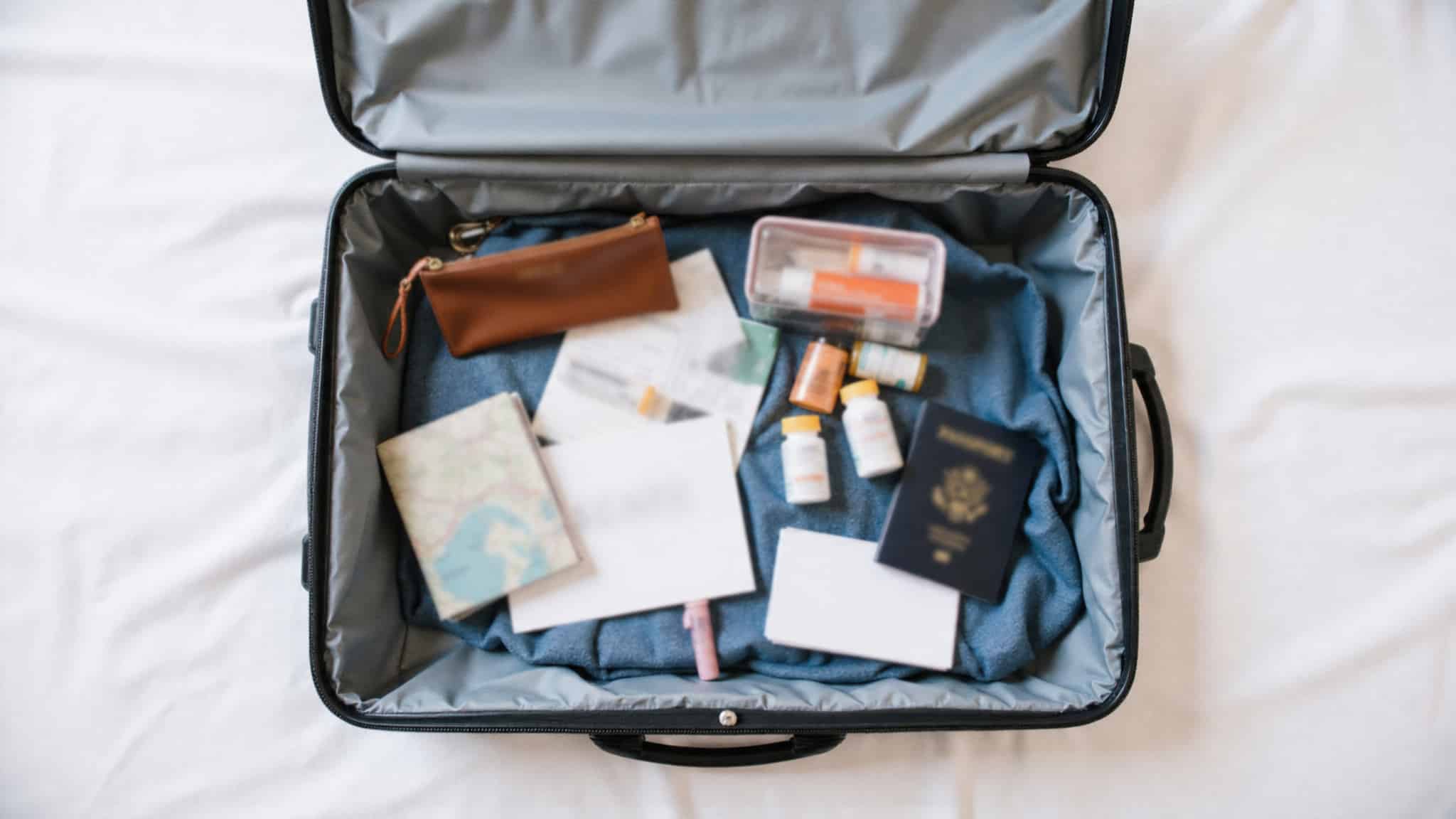
You may bring medication into the UAE only for your own treatment and only in a personal-use quantity per trip. Match the amount to your treatment period, prescription, and travel plan, and don’t pack surplus stock or medicines for another person. UAE rules treat controlled medicines as restricted items, not ordinary baggage. If your medicine is narcotic, psychotropic, or listed as Class A or B, you must secure an MOH import permit before travel. You should also carry the prescription, medical report where required, and original packaging for inspection. Non-controlled prescription medicines should still be documented and proportionate to your stay. Over-the-counter products should remain in original packaging and comply with UAE ingredient restrictions. If unsure, verify classification before departure with MOHAP.
What limits apply to controlled and non-controlled medicine by traveller type
The applicable limit depends on your traveller status and whether the medicine is controlled or non-controlled under UAE classification. You must separate controlled medicines from routine prescription medicines before packing, because approval and quantity caps differ.
| Traveller / medicine type | Applicable UAE limit |
|---|---|
| Visitor with approved controlled medicine | Up to 3 months’ supply |
| Resident with approved controlled medicine | Up to 12 months’ supply, unless narcotic rules cap it lower |
| Narcotic or psychotropic controlled medicine | Maximum 3 months under permit |
| Non-controlled prescription medicines | Personal-use quantity; permit route may allow up to 6 months |
| OTC non-controlled medicine | Personal-use quantity; no prior approval if ingredients comply |
If a personal-use permit applies, you should secure it before travel. Don’t treat documented approval as permission to import excess stock.
Why the quantity must match your prescription and treatment duration

Matching quantity to treatment duration matters because UAE authorities assess whether you’re carrying medicine for personal therapeutic use, not excess stock or unauthorized import. Your quantity should align with your prescription, travel dates, and stated treatment duration. If the amount exceeds your documented need, customs may question it, restrict entry, or require a different import process.
You should verify that:
- Your prescription states the medicine name, dosage, and daily use.
- Your carried quantity doesn’t exceed the approved personal-use limit.
- Your treatment duration reasonably matches your stay in the UAE.
For controlled medicines, you must follow the permit limit, usually capped at a defined supply period. For routine prescribed medicines, you should still carry only a proportionate amount. Don’t add extra packs “just in case” unless your documentation clearly supports them.
How original packaging and labelling affect what customs accepts
Original packaging and clear labeling help customs officers verify that the medicine matches your prescription, permit, or medical report. You should keep tablets, liquids, inhalers, and injectable medicines in the manufacturer’s container, with the drug name, strength, dosage form, batch details, and patient instructions visible. Don’t transfer doses into unmarked pill boxes for travel, because customs can’t reliably confirm identity, quantity, or lawful use.
For controlled medicines, labeling must align with your MOHAP approval and prescription. If names differ because of brand or generic wording, carry supporting documentation from your doctor or pharmacist. You should also keep translated or clearly readable labels where possible. Proper packaging doesn’t replace approval, but it reduces inspection delays and supports personal-use compliance at entry.
What to do if your treatment needs more than the allowance
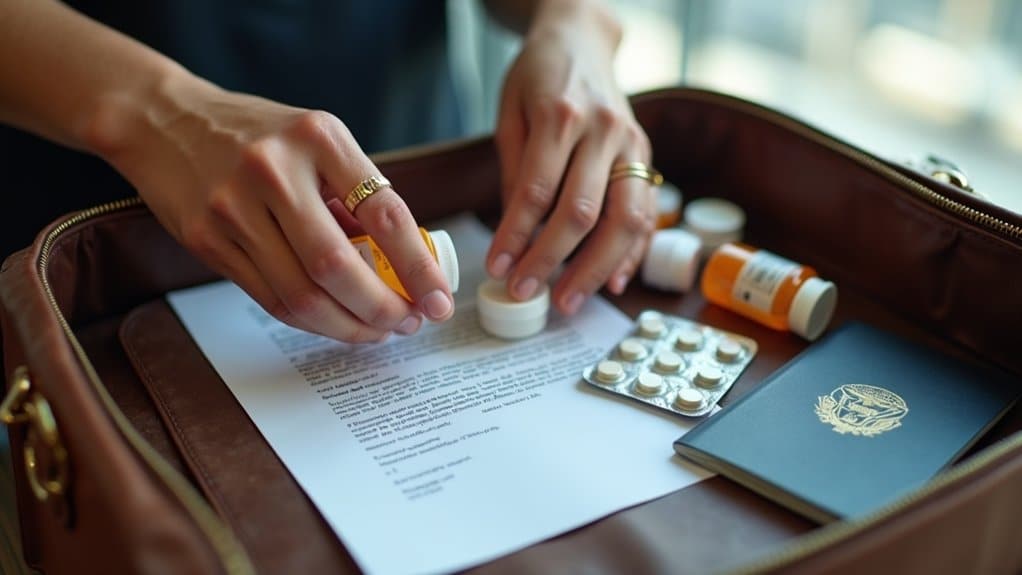
If your treatment requires more medicine than the UAE personal-use allowance, you need approval for the additional quantity. Don’t try to carry the excess in your luggage without approval. You must treat the additional quantity as a separate compliance issue, not as routine travel medication. Check whether your medicine is unrestricted, prescription-only, or one of the controlled medicines before you travel.
- Ask your doctor for a medical report explaining diagnosis, dose, duration, and why the larger quantity is necessary.
- Apply in advance for the correct approval, such as a personal-use permit or MOHAP import permit, where required.
- Carry prescriptions, authenticated reports when applicable, and original packaging for inspection.
If approval isn’t granted, reduce the quantity to the permitted limit or arrange lawful supply in the UAE through a licensed clinician or pharmacy.
How the rules change for transit passengers carrying medication
Transit passengers carrying controlled medications may still need UAE approval, even if they do not enter the UAE. UAE guidance applies approval requirements to residents, visitors, and transit passengers carrying restricted medicines.
Check whether your medicine is narcotic, psychotropic, or Class A/B controlled. If it is, you should obtain the required MOH permit and keep it with your prescription, medical report, and original packaging. Your supply should stay within the approved personal-use quantity, typically tied to the treatment period and capped under applicable permit limits.
For non-controlled medicines, carry only documented personal-use amounts and keep them available for inspection during transit screening.
Who to contact for a definitive ruling on your own allowance
Contact the UAE Ministry of Health and Prevention (MOHAP) for a definitive ruling on your own medication allowance before you travel, especially if your medicine may be narcotic, psychotropic, or Class A/B controlled. Don’t rely on airline staff, forums, or foreign prescriptions as final authority. Ask MOHAP whether you need a MOHAP permit and what personal-use quantity applies to your status and stay.
- Submit the medicine name, strength, dosage, active ingredient, and trip dates for classification.
- Confirm whether controlled medicines require advance approval, authentication, or extra documents.
- Keep MOHAP’s response, permit, prescription, medical report, and original packaging with you.
If your quantity exceeds the approved allowance, reduce it or complete the required import process before departure. This protects you at UAE customs.
Conclusion
Knowing how much medication you can bring into the UAE keeps your trip compliant and stress-free. As a general rule, personal-use quantities, often up to a few months’ supply, are accepted when the medicine is legal, clearly labelled, and supported by a valid prescription, while controlled substances require prior import approval regardless of amount. Carry medicines in their original packaging with documentation to avoid questions at customs. Checking the rules for your specific medication before you fly prevents confiscation or fines. For any care or prescriptions during your stay, Doctors Finder connects you with verified, licensed doctors across the UAE.
Get Trusted Prescription Guidance in the UAE
Managing medications across borders is far easier with a local UAE doctor who understands the country’s healthcare rules. Through Doctors Finder, we help you find a specialist by location and specialty across the UAE. Contact us today and simplify your healthcare experience.
Frequently Asked Questions
Can I Pack Uae-Bound Medication in Checked Luggage?
Yes, you can pack UAE-bound medication in checked luggage, but you should keep essential doses and all documents in your carry-on. You must carry medicines in original packaging with your prescription, medical report if needed, and MOHAP permit for controlled drugs. Don’t pack narcotic, psychotropic, or Class A/B medicines without prior approval. You should bring only personal-use quantities matching treatment duration and declare items if customs asks.
Do Children Need Separate Medication Permits for the UAE?
Yes. You should obtain a separate UAE medication permit for each child if they’re carrying controlled, narcotic, psychotropic, or Class A/B medicines. Apply before travel through MOHAP and use the child’s prescription, medical report, passport details, and original packaging information. Don’t combine a child’s controlled medicine under your own approval. For non-controlled prescription or OTC medicines, you typically don’t need a permit, but you should carry documentation showing personal medical use.
Are Vitamins and Supplements Treated as Medicines in the UAE?
Yes, vitamins and supplements can be treated as regulated health products in the UAE, especially if they contain medicinal, hormonal, herbal, or controlled ingredients. You shouldn’t assume they’re ordinary food items. Carry them in original packaging, keep quantities for personal use, and bring labels or supporting documents. If a supplement includes a restricted substance, you’ll need approval or may be refused entry. Check ingredients with UAE authorities before travel.
Can I Bring Refrigerated Medication Through UAE Customs?
Yes, you can bring refrigerated medication through UAE customs if it’s for personal use, properly documented, and legal in the UAE. You should keep it in original packaging, carry your prescription and medical report, and use a cooler or approved travel pack. If it’s controlled, narcotic, or psychotropic, you must obtain MOHAP approval before travel. Don’t exceed the permitted supply, and ensure cold-chain storage doesn’t obscure inspection or labeling at entry.
What Happens if Customs Confiscates My Medication?
If customs confiscates your medication, you’ll usually lose access to it while officials review legality, documentation, and quantity. They may detain, destroy, or refer it for enforcement if it’s controlled, prohibited, undocumented, or excessive. You should request a receipt or seizure record, provide your prescription, medical report, permit, and original packaging, and contact your embassy or airline. Don’t argue or conceal anything; follow instructions and seek MOHAP clarification promptly.