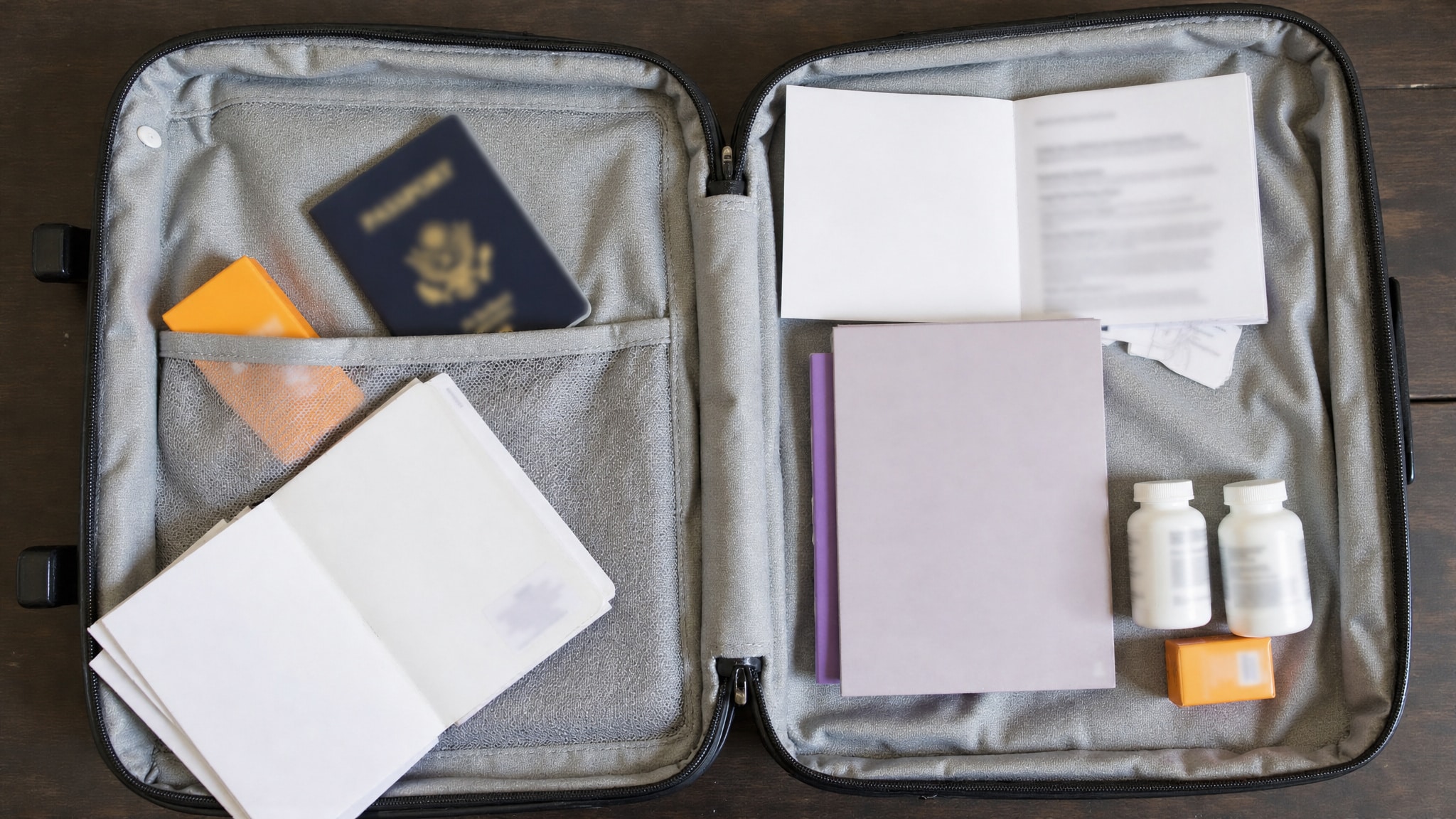






You can get your UAE hospital medical records by logging into the hospital portal, government health platform, or HIMS/Medical Records service with UAE PASS, Emirates ID, or hospital credentials. Choose Medical Record Request, Medical Report, or Release of Information, then provide visit details and any consent or ID copies required. You may also apply in person. Hospitals must handle your data confidentially and may allow corrections. Next, you’ll see channels, fees, authorisations, and delay options.
Key Takeaways
- Request records through the hospital portal, UAE PASS-enabled services, government health platforms, or the hospital HIMS/Medical Records department.
- Log in or apply using Emirates ID, UAE PASS, or hospital credentials, and provide visit details and required identification.
- Upload consent forms, authorizations, Emirates ID copies, or guardianship documents if requesting records for yourself or someone else.
- Track online requests, then download records or receive approved copies by registered email, printout, or in-person collection.
- If access is delayed or denied, ask for written reasons and escalate to patient relations or the relevant UAE health authority.
How to get your medical records from a hospital in the UAE

You can get your medical records from a hospital in the UAE through the hospital patient portal, a government health platform, or the hospital’s Health Information Management Services or Medical Records department. Log in with UAE PASS, Emirates ID, or your hospital credentials, as required. Select the applicable service, such as Medical Record Request, Medical Report, or Release of Information. Enter visit details accurately, including facility, date, specialty, physician, and purpose when requested. Upload consent forms, authorizations, or Emirates ID copies if the provider requires them. For portal requests, monitor processing status, then download, save, print, or receive the approved file through your registered email. If online access isn’t available, submit the request in person through the designated records office.
What rights you have to your own health information under UAE law
You generally have the right to access your own medical information under UAE health data rules, request copies of records held by licensed healthcare providers, and expect providers to keep that information confidential and secure. Your access rights apply to medical records that identify you, including clinical notes, test results, diagnoses, treatment details, and discharge information, subject to lawful limits.
Healthcare providers must handle your information under applicable privacy laws, professional duties, and health data controls. They shouldn’t disclose it to unauthorized parties without a valid legal basis or your consent. You can ask for correction of inaccurate details where the provider’s process allows it. If a hospital refuses release, restricts information, or cites an exception, you can request the reason and escalate through its official complaints process.
Which request channels hospitals offer and how they compare on speed and fees

Medical records portals are usually the fastest request channel, but the best first option depends on the hospital, the emirate, and the type of record you need. Some major hospitals cite release within about 9 business days, while some document requests take 3. EHS online medical reports take 5 working days and AED 50. Some private hospital groups may take two to five working days and charge around AED 100. The hip replacement recovery period varies from patient to patient, often influenced by age and overall health. Patients typically undergo physical therapy to regain strength and mobility during this phase.
| Channel | Speed and fees |
|---|---|
| Hospital or government portal | Often quickest; posted processing times and online payment may apply. |
| Medical Records/HIMS desk | Useful for older or restricted records; timing follows office procedures. |
| Registered email delivery | Convenient after approval; usually limited to the email on file. |
You should compare processing times, fees, and service scope before submitting one request only.
What identification you must present as the patient
You must present current, matching identity evidence that proves you’re the patient before any hospital or government portal releases your record. You shouldn’t use another person’s login or documents.
- Use your Emirates ID when the hospital, Dubai Health service, or medical records desk asks for national identification.
- Use UAE PASS for eligible digital requests, especially government health portals that require secure authentication.
- Sign the hospital’s consent form when the provider requires express permission before disclosure.
Make sure your name, mobile number, email, and patient file details match the hospital’s registration data. If anything has changed, update it before submission. Staff may reject incomplete, expired, or inconsistent identification, and they’ll release records only through approved confidential channels.
Which records you can and cannot receive, from reports to imaging discs

You can usually receive formal medical reports and copies of clinical records that relate to your own care, but you may not receive internal administrative notes, third-party information, restricted audit data, or records outside the hospital’s retention or portal eligibility period.
In most UAE hospitals, the exact scope depends on the facility, portal, and date of treatment. Medical records may include discharge summaries, clinic notes, lab results, radiology reports, medication lists, allergies, diagnoses, vaccination records, and treatment history when the hospital system holds them. How long hospitals keep medical records can vary widely from one facility to another. In many cases, hospitals retain these records for several years, often dictated by state regulations.
You may also request imaging, but hospitals may provide only the written radiology report through Access portals and require a separate Release of information request for image files or discs. The hospital may redact confidential material before release. Always specify dates, departments, and format.
How a relative or representative can be authorised to collect them
A relative or representative can be authorised to collect your medical records by giving the hospital written consent that clearly identifies you, the authorised person, and the records to be released. Use the hospital’s authorization or release of information form where available, and match the details to your Emirates ID or passport.
Written consent should clearly name the patient, authorised representative, and specific medical records requested.
- State the representative’s full name, ID number, contact details, and relationship to you.
- Specify the records covered, such as discharge summaries, lab reports, imaging, or a medical report.
- Sign and date the consent, and attach copies of both parties’ identification if required.
If you’re a legal guardian, carry proof of guardianship. Ask the Medical Records or HIMS department whether originals, notarisation, or in-person verification are required before collection. Keep copies secure for audit purposes. Normal life after a kidney transplant can come with many adjustments and new routines. It’s important to follow medical advice to ensure proper recovery and long-term health.
What to do if the hospital delays or refuses your medical records request
Ask the Medical Records, HIMS, or Customer Happiness team for the reason in writing, the expected processing date, and any missing requirement you must correct. Check whether your Emirates ID, UAE PASS login, consent form, authorization, visit details, or fee payment is incomplete. Don’t send extra clinical details unless the release of information team specifically requests them.
If delays continue, escalate through the hospital’s patient relations or complaints channel and keep copies of emails, reference numbers, receipts, and submission screenshots. If the refusal cites privacy or legal grounds, request the policy basis and whether partial records can be released. For unresolved cases, contact the relevant health authority in the emirate where the hospital operates.
Conclusion
Getting your medical records from a UAE hospital is your right and usually a simple process. Submit a written request to the facility’s medical records or patient affairs department, provide valid ID, specify the records and date range you need, and allow the standard processing time. Records may be issued as printed copies or through a patient portal, and a small fee sometimes applies. Having your full history on hand makes referrals, second opinions, and insurance claims far smoother. When you need continued care, Doctors Finder helps you connect with verified, licensed doctors across the UAE.
Get Connected to Trusted UAE Doctors
Navigating hospital records and healthcare paperwork is easier with a consistent doctor who knows your history. Through Doctors Finder, we help you find a specialist across every UAE emirate by specialty, hospital, and language. Contact us today and simplify your healthcare experience.
Frequently Asked Questions
Can I Request Records From Multiple UAE Hospitals at Once?
Yes, you can request records from multiple UAE hospitals, but you’ll usually submit separate requests to each provider unless a government platform centralizes your records. You should check each hospital’s portal, HIMS, or Medical Records Department requirements. You’ll need UAE PASS, Emirates ID, consent forms, or authorization where applicable. Processing times and fees differ. Some systems restrict access by visit date, specialty, or recent treatment history.
Are My UAE Medical Records Available After Leaving the Country?
Yes, you can usually access UAE medical records after leaving the country, but availability depends on each provider’s rules. You’ll need portal access, UAE PASS, Emirates ID details, or verified credentials. Some hospitals release records only through registered email, consent forms, or in-person departments. Time limits may apply, especially for recent-visit services. Contact each hospital’s Medical Records or HIMS office, confirm identity requirements, and keep requests confidential, specific, and documented.
Can Hospital Records Be Translated Into English or Arabic?
Yes. You can request records or medical reports in English or Arabic, but availability depends on the hospital’s policy and original record language. You should ask the Medical Records, HIMS, or portal support team before submitting. Some hospitals issue official reports in a selected language; others may require certified translation after release. Don’t alter records yourself. Use an approved legal translator if you need them for immigration, insurance, court, or overseas care.
How Long Do UAE Hospitals Keep Old Medical Records?
UAE retention periods vary by emirate, facility, and record type, so you shouldn’t assume every hospital keeps records indefinitely. Some digital portals limit what you can request by date; Dubai Health may restrict certain reports to visits within six months, while Abu Dhabi systems may show several years of history. Ask the hospital’s Medical Records or HIMS department for its retention policy, eligibility rules, and archived-record process before you submit a request.
Can I Correct an Error in My Medical Records?
Yes. You can request a correction if your UAE medical record contains inaccurate or incomplete information. Contact the hospital’s Medical Records, HIMS, or patient services department, verify your identity with Emirates ID or portal login, and submit evidence supporting the change. The provider may review, approve, annotate, or refuse the amendment under its policy. You shouldn’t alter records yourself. Keep copies of your request, supporting documents, and the hospital’s response.