






Shortness of breath can come from the lungs, the heart, or somewhere else entirely, and that is exactly why the right doctor to see depends on what is behind it. For most people, the sensible starting point is a general practitioner, who can examine you, work out the likely source, and refer you to a specialist such as a pulmonologist or cardiologist when one is needed. In some cases, though, breathlessness is not something to book an appointment for at all. It is a medical emergency. Knowing the difference is what this article is for: which doctor matches which situation, and the warning signs that mean you should seek help straight away.
Key Takeaways
- A general practitioner is usually the first doctor to see for shortness of breath, and can refer you to the right specialist.
- A pulmonologist handles lung and airway causes, while a cardiologist handles heart-related causes.
- Shortness of breath has many causes, including asthma, COPD, heart failure, anaemia, anxiety, and obesity.
- Clues help point to the source: wheezing and cough suggest the lungs, while swelling, chest pressure, and breathlessness lying down suggest the heart.
- Sudden or severe breathlessness with chest pain, blue lips, fainting, or confusion is an emergency that needs immediate care.
What Causes Shortness of Breath?
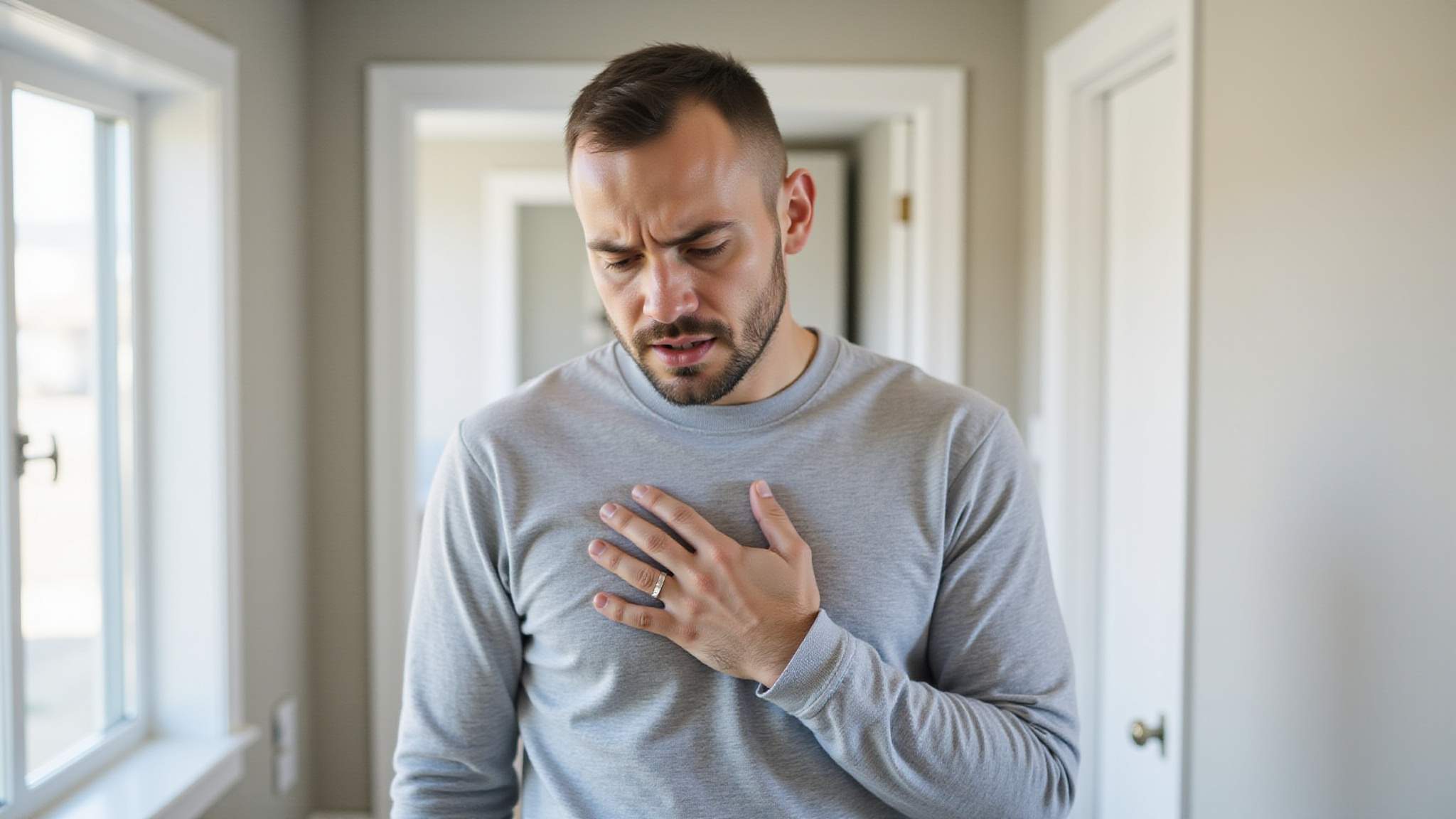
Shortness of breath, known medically as dyspnea, is a symptom rather than a diagnosis, and it can arise from several different systems in the body. Lung and airway conditions are among the most common sources, including asthma, COPD, pneumonia, and allergies. The heart is the other major source, with causes such as heart failure, an abnormal heart rhythm, and reduced blood flow. Beyond the heart and lungs, breathlessness can also stem from anaemia, anxiety, obesity, low fitness, high altitude, and even certain medications. Because the trigger can sit in so many places, pinning down the cause is the first real step toward knowing which doctor you need.
Which Doctor Should You See First?
For most people, the first stop is a general practitioner or family doctor. They take your history, examine you, check your oxygen level and heart rate, and run initial tests to work out whether the breathlessness is coming from your lungs, your heart, or another cause. From that assessment, they either treat the problem directly or refer you to the right specialist. Beginning with a GP means you are not left guessing which specialist to book, and it lowers the chance of a serious cause being missed. If your breathlessness is mild, gradual, or clearly tied to something like a chest infection or exertion, a GP is the right place to start.
When Should You See a Pulmonologist or Cardiologist?

Which specialist you need depends on where the problem is most likely to be, and your other symptoms usually give the clue.
| Specialist | When they are the right choice |
|---|---|
| General practitioner | First assessment of new or unexplained breathlessness, and referral onward |
| Pulmonologist (lung doctor) | Wheezing, chronic cough, mucus, asthma, COPD, or a smoking history |
| Cardiologist (heart doctor) | Chest pressure, palpitations, swollen ankles, or breathlessness that worsens lying down |
A pulmonologist specialises in the lungs and airways, so they are the right choice when breathlessness comes with wheezing, a lasting cough, mucus, or a known lung condition. A cardiologist specialises in the heart, so they are appropriate when breathlessness comes with chest pressure, an irregular heartbeat, swelling in the ankles or legs, or breathing that gets worse when you lie flat. In practice, your GP often decides which of these you need, because heart and lung symptoms overlap and sometimes occur together.
How Do You Tell If It Is Your Heart or Your Lungs?
The symptoms alongside the breathlessness offer the strongest clues. Wheezing, noisy breathing, coughing, mucus, and symptoms brought on by allergens, smoke, cold air, or exercise tend to point toward the lungs. Swollen ankles or legs, chest pressure, an irregular heartbeat, and breathlessness that worsens when you lie down or wakes you at night tend to point toward the heart. The picture is not always clean, because when the heart struggles, fluid can back up into the lungs and make a heart problem look like a lung one. That overlap is a good reason to let a doctor make the call rather than self-diagnose.
When Is Shortness of Breath a Medical Emergency?

Some breathlessness needs emergency care, not an appointment. Seek immediate help if shortness of breath comes on suddenly and severely, or if it comes with any of these warning signs: chest pain or heaviness, blue or grey lips, fingernails, or skin, fainting, confusion, a rapid or irregular heartbeat, or breathlessness that does not ease with rest. New breathlessness after surgery, a long flight, or a spell of immobility also needs urgent assessment, because it can signal a blood clot in the lungs. These situations can point to a heart attack or a pulmonary embolism, so do not wait to see whether the feeling passes.
What Happens at the Appointment?
When you see a doctor for breathlessness, expect questions about when it began, what brings it on, how far you can walk or climb before it hits, and what other symptoms come with it. The doctor will usually listen to your chest, check your oxygen level and heart rate, and then arrange tests based on what they suspect. Common ones include blood tests, a chest X-ray, an ECG, a heart ultrasound, and breathing tests. The purpose is to find the cause rather than simply mask the symptom, so that treatment can be targeted, whether that is an inhaler for a lung condition, treatment for a heart problem, or managing another underlying factor such as anaemia.
Conclusion
Shortness of breath is a signal, and the right doctor depends on what is sending it. A general practitioner is the sensible first stop for most people, pointing you toward a pulmonologist for lung-related causes or a cardiologist for heart-related ones, using your other symptoms as the guide. What should never wait is sudden or severe breathlessness with warning signs like chest pain, blue lips, or fainting, which calls for emergency care. For anything ongoing, worsening, or unexplained, seeing a doctor early is the clearest path to an answer and the fastest route back to breathing easily.
Find the Right Specialist for Breathing Issues
Shortness of breath can point to many different conditions, and finding the right specialist quickly makes all the difference. Through Doctors Finder, we help you connect with verified UAE doctors by specialty, location, and hospital across every emirate. Doctors Finder can help you find the right place to start. Contact us today and take the next step in your healthcare journey.
Frequently Asked Questions
What kind of doctor treats shortness of breath?
Most people start with a general practitioner, who assesses the cause and refers you when needed. A pulmonologist treats lung-related causes, while a cardiologist treats heart-related ones. The right specialist depends on your other symptoms.
How do I know if my shortness of breath is from my heart or my lungs?
Wheezing, cough, and mucus tend to point to the lungs, while swollen ankles, chest pressure, and breathlessness that worsens lying down tend to point to the heart. The two can overlap, so a doctor is best placed to tell them apart.
Why do I get short of breath when lying down?
Breathlessness that comes on or worsens when you lie flat, sometimes called orthopnea, can be linked to heart conditions such as heart failure. It should be checked by a doctor, as it is one of the signs that points toward the heart.
When should I go to the ER for shortness of breath?
Go to the emergency department if breathlessness is sudden or severe, or comes with chest pain, blue lips, fainting, confusion, or an irregular heartbeat. These can be signs of a heart attack or a blood clot and need immediate care.
How do doctors find the cause of breathlessness?
A doctor takes your history, examines you, and checks your oxygen and heart rate, then may arrange tests such as a chest X-ray, an ECG, a heart ultrasound, breathing tests, and blood tests, depending on what they suspect.