


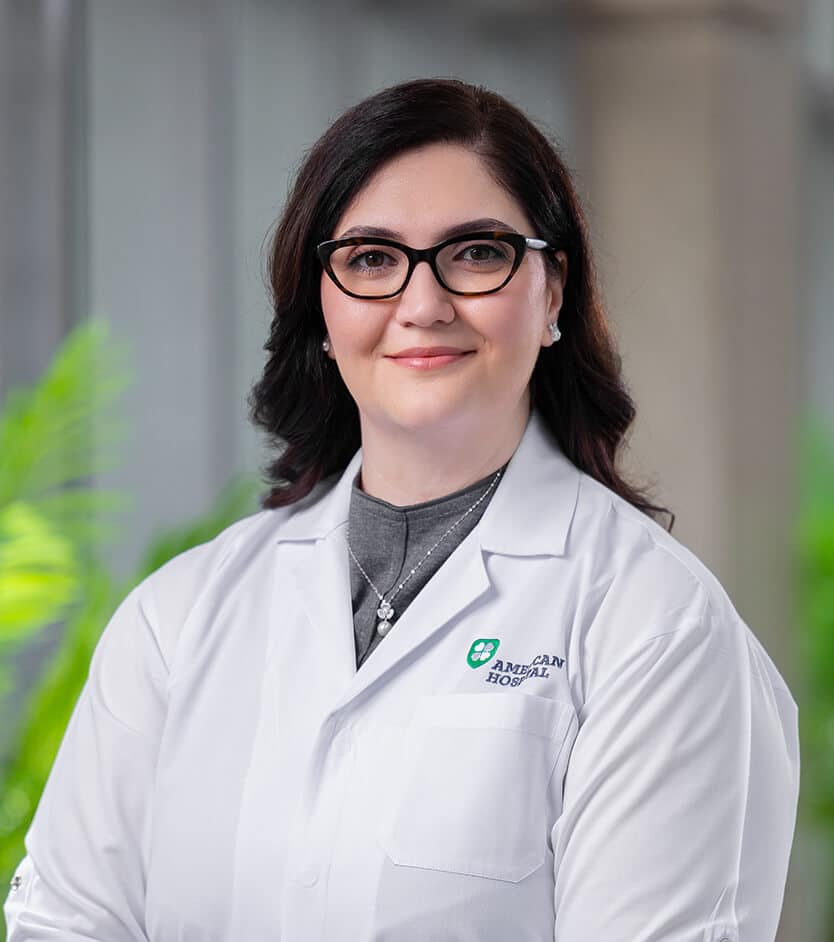



Meet Dr. Shaista Meraj, Consultant Breast Interventional Radiologist, proving that meaningful progress is often built one step at a time. Nearly two years ago, the breast imaging service Dr. Shaista was helping develop started from scratch. Today, another important piece has fallen into place.
Key Takeaways
- Dr. Shaista Meraj is a Consultant Breast Interventional Radiologist who believes meaningful progress is often built one step at a time.
- Nearly two years ago, the breast imaging service she was helping develop started from scratch, and the introduction of a new Hologic imaging system marks the latest milestone.
- The service has been built around one shared goal: giving women access to breast care they can feel confident in.
- She is UK-trained with more than a decade in breast radiology, and has spent much of her career helping services grow and mentoring mammographers and advanced practitioners.
- For her, the most meaningful progress is the kind that reaches the patient.
Why Is Breast Imaging Built One Step at a Time?
Nearly two years ago, the breast imaging service Dr. Shaista was helping develop started from scratch. Today, another important piece has fallen into place.
The introduction of a new Hologic imaging system marks the latest milestone for a service Dr. Shaista and her colleagues have been steadily building around one shared goal: giving women access to breast care they can feel confident in.
Why Does She Invest in People, Not Just Technology?
For Dr. Shaista, that means investing in more than technology. It means investing in the people behind it too.
UK-trained with more than a decade in breast radiology, she has spent much of her career helping services grow, mentoring mammographers and advanced practitioners, and finding ways to make breast care safer, stronger and more connected.
Because the most meaningful progress is the kind that reaches the patient, helping every woman who walks through the door feel confident in the care she receives.
Conclusion
Dr. Shaista Meraj’s work shows what it looks like when progress is built one step at a time and aimed squarely at the patient. UK-trained with more than a decade in breast radiology, she has helped build a breast imaging service from scratch, reached a new milestone with a Hologic imaging system, and invested as much in the people behind the service, mentoring mammographers and advanced practitioners, as in the technology itself. The shared goal runs through all of it: giving women access to breast care they can feel confident in.
Find the Right Doctor for Your Breast Health
Your breast health deserves the right expertise. Doctors Finder can help you find it. You can view Dr. Shaista Meraj’s profile to learn more about her experience in breast imaging and radiology. Contact us today and take the next step in your care.
Frequently Asked Questions
What is a mammogram?
A mammogram is a low-dose X-ray of the breast used to detect and diagnose breast disease, often before any symptoms appear. It is one of the main tools for finding breast cancer early, when it is most treatable.
What is the difference between a screening and a diagnostic mammogram?
A screening mammogram checks for early breast cancer in women who have no symptoms, while a diagnostic mammogram is used to look more closely at a specific concern, such as a lump, or to follow up an abnormal screening result.
When should a woman start having mammograms, and how often?
General guidance recommends a screening mammogram every year for women beginning at age 40. Women with a higher risk, such as a strong family history, should speak to their doctor about starting earlier and whether a breast MRI should be added.
What other breast imaging is used besides mammography?
Alongside mammography, a doctor may recommend a breast ultrasound or breast MRI, particularly for women with dense breast tissue or a higher risk. These tests can give more information as part of a personalised screening or diagnostic plan.
What happens if a mammogram finds something abnormal?
If a screening mammogram shows a possible abnormality, your doctor will usually arrange further tests, typically a diagnostic mammogram and an ultrasound, to look more closely. If needed, a biopsy is the test that can confirm whether breast cancer is present.